
15.09.2026
Uncategorized
“We used to attack, while they defended. Now the roles will be reversed”: DIU warns of the evolution of Russian naval drones
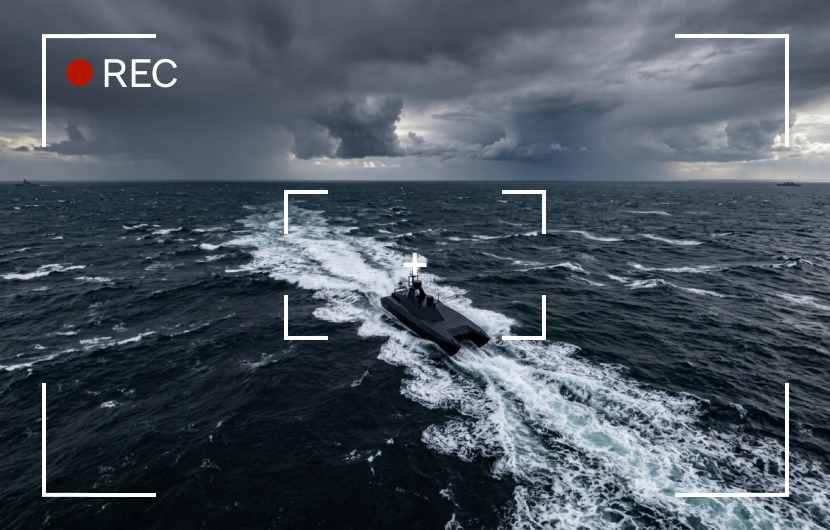
For a long time, Ukraine maintained an advantage over the enemy in the Black Sea, largely thanks to an innovative solution: unmanned surface vessels. Russia paid little attention to such projects because it had a powerful fleet and relied on conventional warships. That turned out to be a mistake, giving Ukrainian engineers and special forces a valuable head start. But Russia is now actively developing its own unmanned surface vessels. Ukrainian experts acknowledge that the threat should not be underestimated. There is already reason for concern.
Russia currently has around 20 unmanned surface vessel models under development. Ukraine’s Defence Intelligence has published the names of the projects and their approximate technical specifications. This year, Russia hopes to produce and put into service at least 150 USVs.
Traditional kamikaze drones are also being equipped with new weapons and capabilities. Following Ukraine’s example, Russia is adding torpedoes, FPV drones and machine guns to its platforms. Its efforts extend beyond vessel development. Russia is also working on pilot training programs, and Ukraine is monitoring the process.
“We have studied some of their USVs. They are developing different versions, including vessels equipped with drones, turrets and kamikaze capabilities. But these are essentially our 2024 developments, so we understand their strengths and weaknesses very well,” says Ninth, commander of the “Black Sea Legion” unit of the FERRATA special forces unit of the Defence Intelligence of Ukraine, in an interview with Oboronka.
The production of naval drones is being complicated by a shortage of electronic components caused by sanctions. At the same time, Russia’s proximity to China and traditional smuggling routes from European countries help its engineers find ways to overcome the shortages. For mass production, however, the availability of components will not be the only issue. Their cost will also become a major concern. Ninth says Ukrainian production will be more expensive because Ukraine sources components from European partners, and such parts cannot yet be produced cheaply. China, meanwhile, has a cheaper labor force and can supply Russia with electronics at a lower cost. Ukraine needs to start thinking about how to address this problem now.
Russia is also trying to develop its own alternative to Starlink, which is needed to control the drones. The project is called “Rassvet,” but little information about it is publicly available.
“It is a good project. They are spending money on it and reporting to their leadership that everything is going according to plan. In reality, however, their progress is not particularly impressive. That works in our favor. Let them spend their time and money,” says Ninth.
As of August 2026, there have been reports of isolated successful Russian USV attacks against Ukrainian vessels and infrastructure. However, it would be difficult to describe these incidents as a systematic threat. That may change, the commander of the “Black Sea Legion” believes.Russia has been preparing for several years and will soon begin using its own developments for attacks. Whether they will be successful is impossible to predict at this point, but the time to prepare is now.
“Over these years, we learned how to attack them using USVs, while they learned how to defend themselves. Now the roles will be reversed, and we will need to defend ourselves. But to do that, we need coordination. Different structures must work together to detect threats, eliminate them, conduct patrols and so on. We cannot afford to be divided,” says Ninth.
The next stage of the confrontation at sea could be a war between USVs. It is also possible that the technology will evolve further and these vessels will no longer operate exclusively on the surface. The next step could be taking the fight underwater. Russia already has experience with such projects.
“Right now, the score is 1-0 in our favor. But everything can change. The next move is theirs, and that move is underwater drones. They have well-developed underwater technologies and know how to build submarines,” the commander of the “Black Sea Legion” emphasizes.
For now, Russia’s use of naval drones remains relatively limited. They are primarily used for reconnaissance and patrol missions in the area south of Odesa and Chornomorsk. Russian USVs are generally launched from the northwestern part of occupied Crimea.